Cost Guide — Paver Patios
What a paver patio
actually costs
There is no single number, and anyone who gives you one over the phone is guessing. What there is: a short list of things that decide the price, and a way to tell a real quote from a cheap one. Both are below.
Start Here
Why nobody can quote this over the phone
Two patios of identical size on the same street can differ by forty per cent, and almost none of that is the pavers. It is what is underneath, what had to come out first, and whether a machine could reach the back of the property. A contractor who quotes before seeing the site is either padding the number to cover what they have not looked at, or they will find it later and call it a change order.
We will not give you a figure before walking the property. What we will do is come out free of charge, tell you what the site actually needs, and put a fixed written price in front of you before anything starts.
What Moves The Number
Six things that decide
the price
Roughly in order of how much they move the number.
What is underneath
Base preparation is most of the cost and all of the lifespan. On Contra Costa clay a patio needs deeper excavation and a thicker compacted base than the same patio would need on sandy ground, because the clay swells and shrinks with the seasons. A thin base is the single most common way a cheap quote gets cheap, and it is invisible until the patio moves.
How much has to come out
Removing an existing concrete slab, roots, or a foot of unsuitable soil is excavation, haulage and disposal before a single paver is laid. A bare dirt yard and a yard with a cracked slab on it are different jobs at the same finished size.
Whether a machine can reach it
If a mini excavator can get to the back of the property, the dig is a morning. If everything has to go through a side gate by wheelbarrow, the same dig is days. Access is the factor people are most surprised by and the one you can do least about.
The paver itself
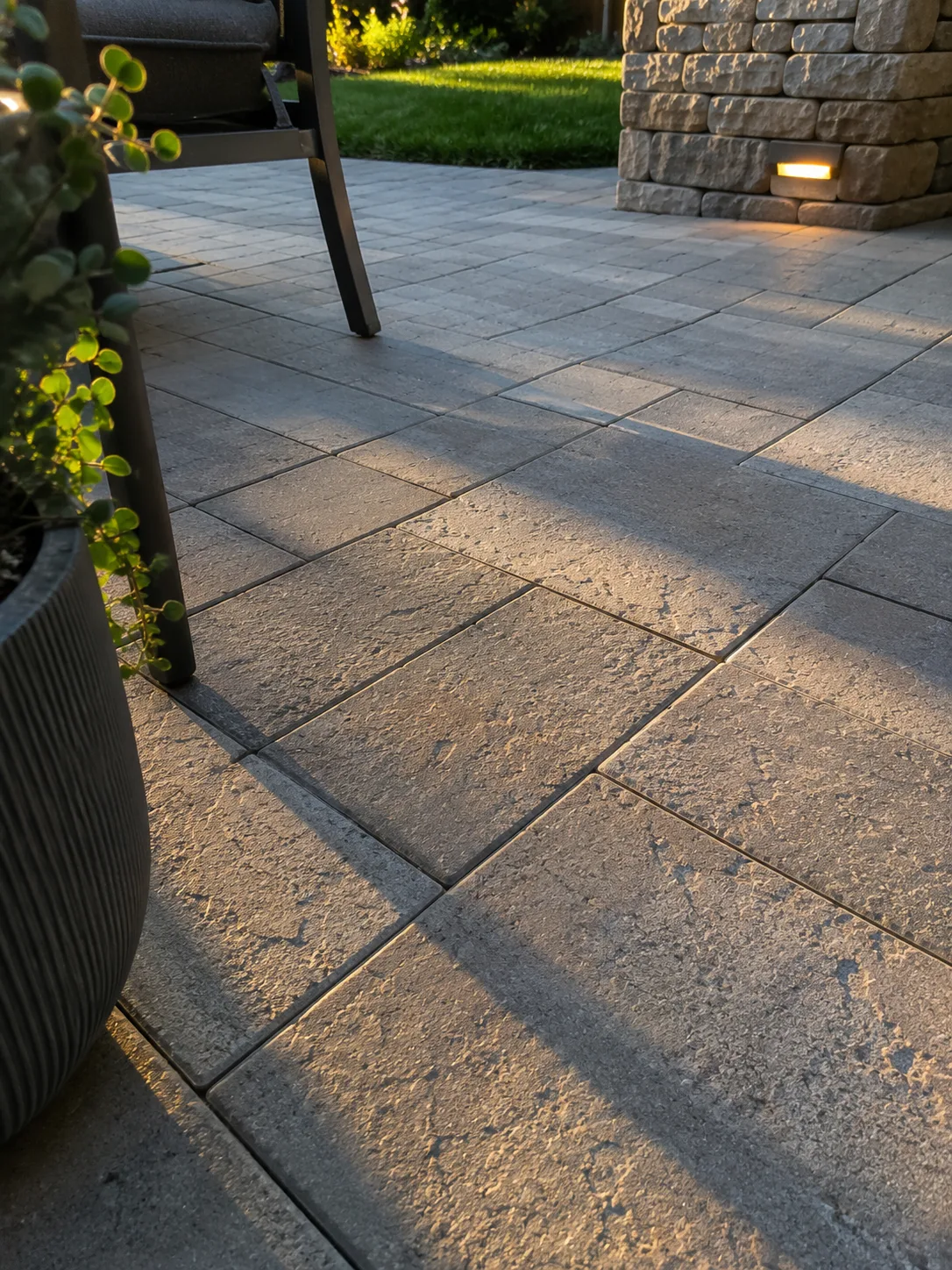
Material is real money but less of the total than most people expect. The spread between a standard concrete paver and a premium one matters; the spread between a good installation and a bad one matters more.
Cuts, curves and detail
A rectangle is fast. Curves, circles, borders, soldier courses and anything that has to meet an existing structure all mean cutting, and cutting is labour. A design with a lot of edge is more expensive per square foot than one with little.
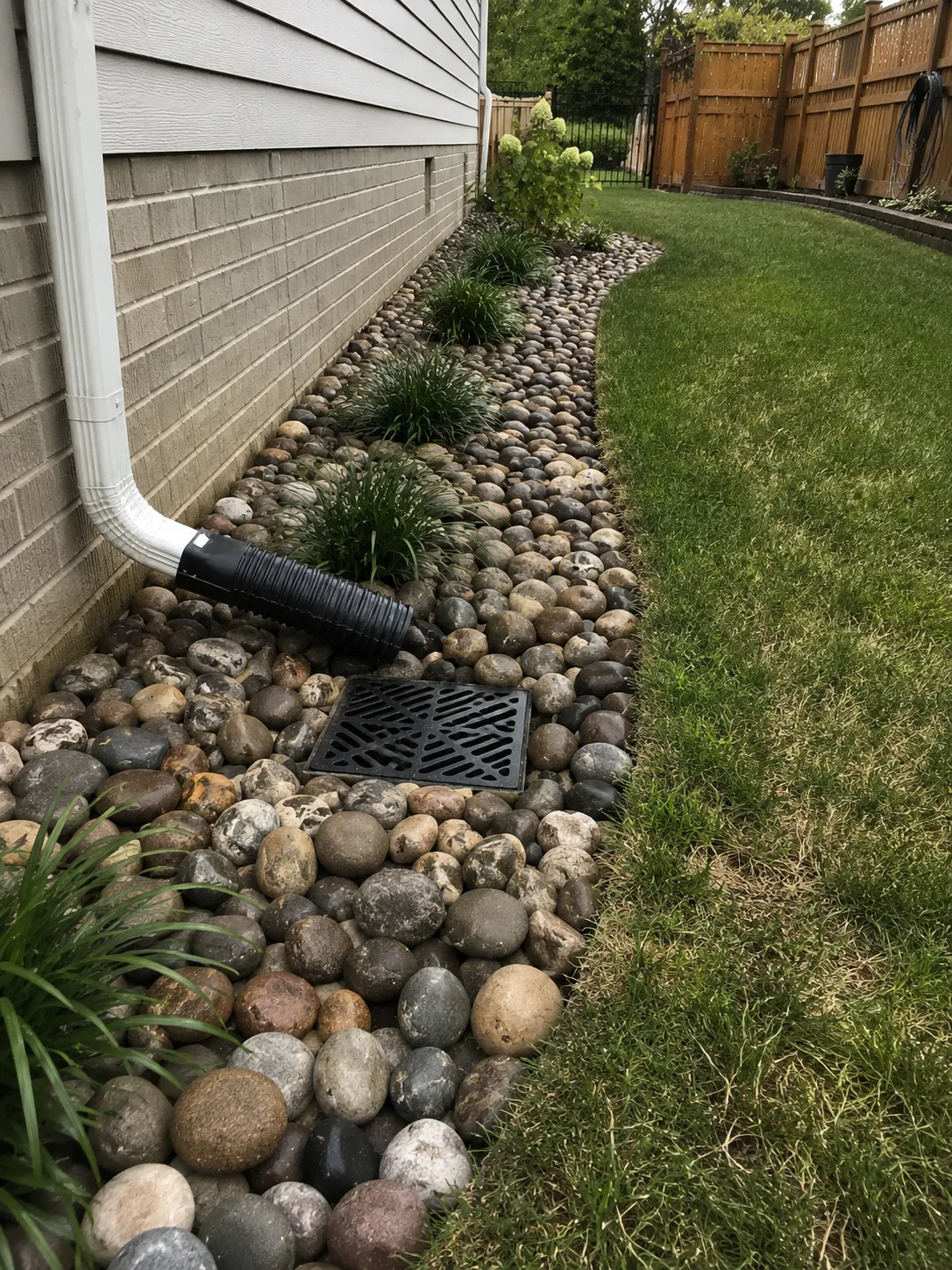
Drainage and grading
A patio has to shed water somewhere sensible, and on a lot that already has a drainage problem that is part of the patio job rather than a separate one. Doing it afterwards costs far more than doing it underneath.
What a real quote itemises
A quote you can actually compare
- Excavation depth and what is being removed
- Base material, depth and compaction method
- Edge restraint and jointing sand
- Paver make, model and colour, not just “pavers”
- Where the water goes, in writing
- Who hauls the spoil away, and whether that is included
- A fixed price, not an estimate that moves
FAQ
Common questions
Have a question we haven’t answered? Call or send a message — we respond within 24 hours.
Contact UsBecause it would not be a price, it would be a guess with padding on it. What is under the surface, what has to come out and whether a machine can reach the back of the property decide most of the cost, and none of them are visible from a phone call. The site visit is free and it is how you get a number you can rely on.
Usually the base. Excavation depth and compaction are the expensive, invisible part, and they are the easiest place to save money in a way you will not notice for three years. Ask both contractors to put excavation depth and base material in writing and the gap often explains itself.
Up front, usually yes. Over the life of the patio it is less clear: a paver can be lifted and relaid if something settles or if you need access to what is underneath, and a poured slab cannot. On ground that moves, that matters.
Yes, and usually downward. Mobilisation, excavation setup and haulage are much the same whether the patio is small or large, so a bigger patio generally costs less per square foot than a small one.
A patio at grade usually does not, but what goes with it might — retaining walls over four feet, measured from the bottom of the footing to the top, generally need one under California’s building code, and so can changes to drainage. We confirm with your city before designing and handle the paperwork.
Depends on size, access and how much earthwork is involved. We give you a written schedule alongside the written price, both fixed before we start.