Planning Guide — Timing
When to start
a landscaping project
The short answer is earlier than you think, and the reason has nothing to do with the weather. Design, permitting and the queue in front of you take longer than the build does — so the yard you want in July is a conversation that happens in January.
Start Here
The work is not the long part
People assume the constraint is the weather. Mostly it is not. A straightforward build is weeks; design, revisions, any permit or association review, and waiting your turn in a good contractor’s schedule are months. The season decides what is pleasant to do, not what is possible.
Which means the single most useful thing you can do is start the conversation out of season, when everyone has time to think and nobody is working to a deadline that is already impossible.
What Moves The Number
The Bay Area
build calendar
What each season is actually good for here.
Winter — the best time to plan
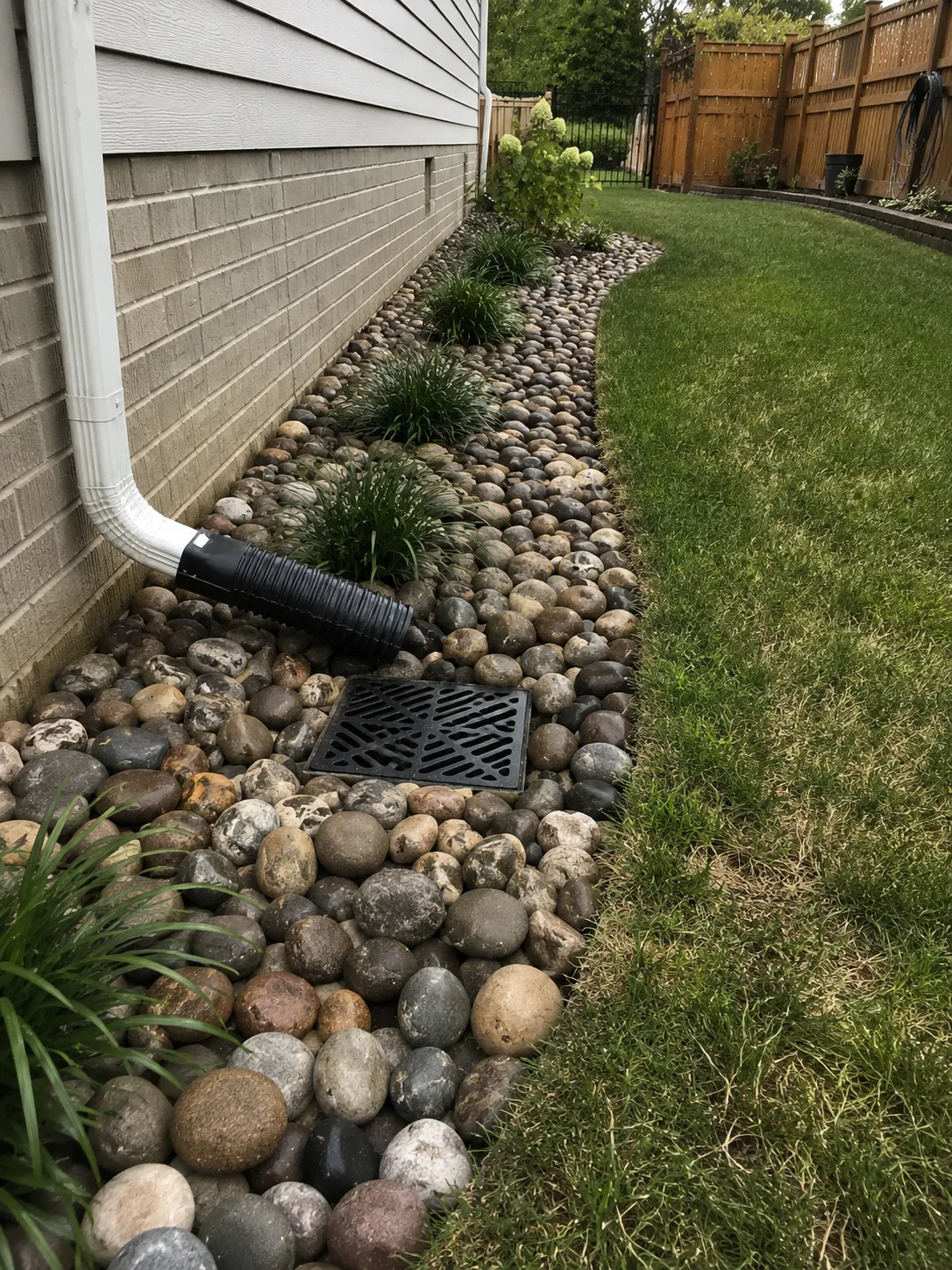
Nobody wants to break ground in February, which is exactly why it is the best time to design. Contractors have time, you can see where the water goes during real rain, and a drainage problem is obvious in January in a way it never is in August. Book design work now and you are at the front of the spring queue rather than the back.
Spring — the busiest, and the best for planting
Ground is workable, plants establish readily and everyone has had the same idea. If you want spring construction you generally needed to book it in winter. Planting in spring gives roots a season to establish before the heat arrives.
Summer — good for building, hard on planting
Dry ground is easy to excavate and ideal for hardscape, concrete and earthwork. It is a poor time to put plants in: new planting in July needs far more water to survive its first weeks, and some of it will not. Build in summer, plant in autumn.
Autumn — quietly the best season
The one most people miss. Ground is still workable, heat has passed, and anything planted in autumn gets the whole wet season to establish before its first real summer. If you are planting, autumn beats spring. If you want a yard ready for next summer, autumn construction is the move.
How far ahead to start
Working backwards from when you want it done
- Consultation and site visit — we aim for the same week you call
- Design and a written proposal — allow a couple of weeks for revisions
- Association or design review, where it applies — their timeline, not ours
- Permitting, where it applies — varies by city and by scope
- The build itself — usually the shortest part of the whole thing
- Planting establishment — a season before it looks like the drawing
FAQ
Common questions
Have a question we haven’t answered? Call or send a message — we respond within 24 hours.
Contact UsWinter, and ideally early winter. Design, revisions and any review happen before a shovel moves, and spring construction slots fill during winter. Calling in May for a July finish usually means next year.
Yes, within reason. Hardscape and concrete have weather limits and heavy rain stops earthwork, but the schedule works around it. What winter is genuinely best for is design and drainage diagnosis — you cannot see where water goes in a dry month.
It is harder, more expensive in water and riskier for the plants. If the build happens in summer we will often recommend hardscaping then and planting in autumn, which is better for the plants and usually better for the budget.
Diagnose in winter, build whenever. The value of a wet month is that the problem shows itself — where water pools, where it runs, how long it sits. That is very hard to establish in September.
The build is usually weeks. The whole project — design, approval, build — is typically months, and most of that is not us holding a shovel. We give you a written schedule with the written price so you know which part is which.
Not directly — we do not discount by month. What it buys you is choice of dates, an unhurried design process and a contractor who is not trying to squeeze you between two other jobs.